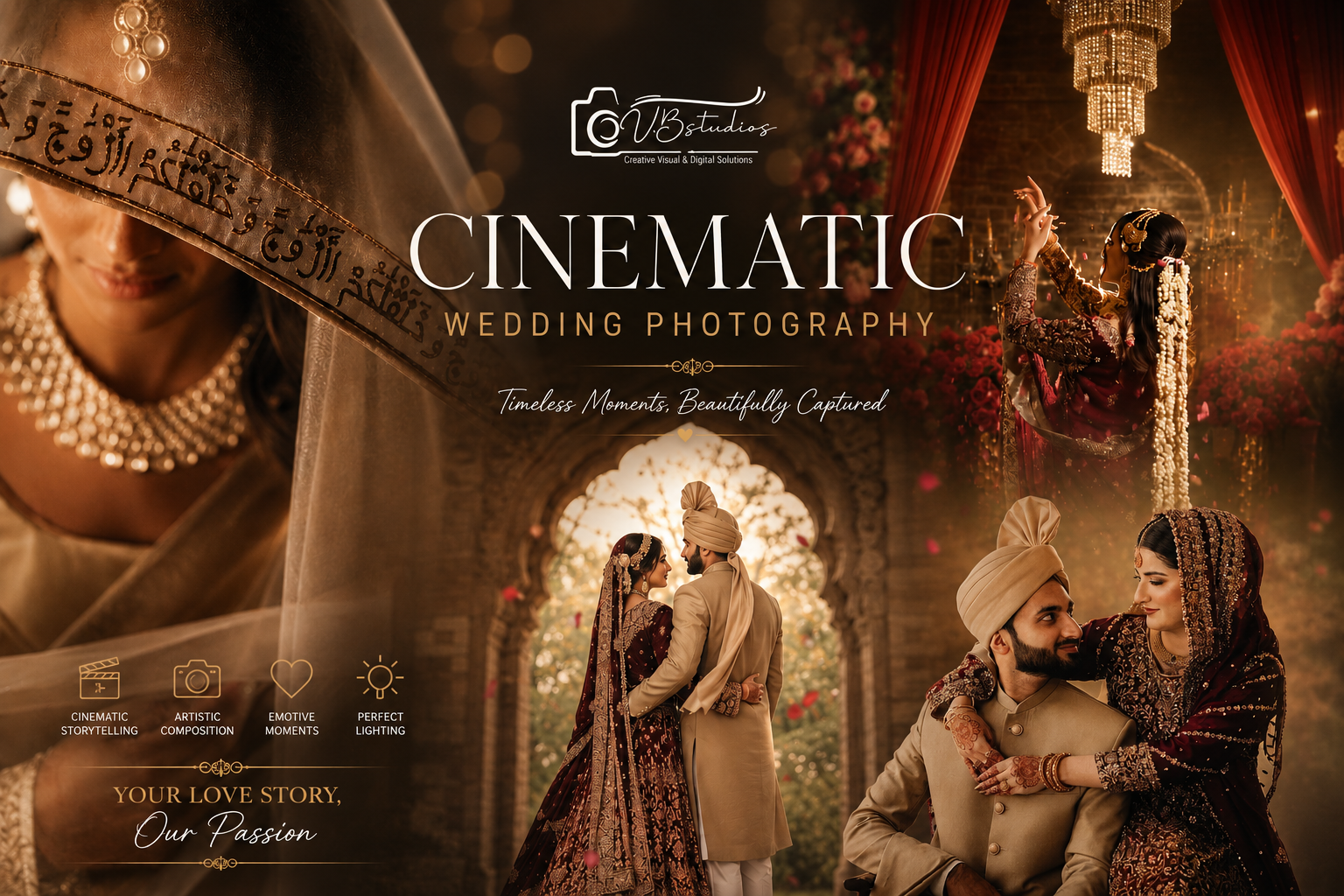
Choosing how your wedding day gets captured is one of the biggest decisions you’ll make while planning your celebration. Two styles dominate the industry today: traditional and cinematic. Both have their strengths, and understanding the difference can help you pick the approach that best matches your vision, your venue, and your budget.
What Is Traditional Wedding Photography?
Traditional wedding photography focuses on structure and coverage. It typically involves posed portraits, formal family groupings, and a methodical approach to capturing every key moment — the entrance, the vows, the rings, the first dance, and the cake cutting. The photographer works from a checklist, ensuring nothing important is missed.
This style is popular with families who want classic, timeless images that look good in frames and albums for generations. It’s also often more budget-friendly since it usually involves less post-production work and a single shooter rather than a full crew.
What Is Cinematic Wedding Photography?
Cinematic wedding photography borrows techniques from filmmaking — dramatic angles, natural candid moments, moody lighting, and a storytelling approach rather than a checklist. Instead of lining people up for a formal shot, a cinematic photographer moves around the room, capturing genuine emotion as it happens: a father’s tears, a bride’s laughter, an unscripted glance between the couple.
The result feels less like a documentation of events and more like a narrative — each photo carries mood and emotion, often with heavy use of natural light, silhouettes, and creative composition. This style has grown enormously popular in recent years, especially among couples influenced by film and social media aesthetics.
Key Differences to Consider
Posing vs Candid Moments Traditional photography relies on posed shots for clarity and formality. Cinematic photography leans into candid, in-the-moment captures that feel raw and authentic.
Editing Style Traditional edits tend to be clean and true-to-color. Cinematic edits often use color grading, contrast, and film-like tones to create a specific emotional atmosphere.
Pacing on the Day A traditional shoot can move faster since it follows a set list. A cinematic approach usually needs more time to let genuine moments unfold naturally.
Team Size Cinematic coverage often involves multiple photographers or a photographer plus videographer working together to catch angles and moments simultaneously, while traditional coverage can often be handled by a single photographer.
Which One Should You Choose?
If you value classic portraits, formal family photos, and a straightforward, dependable process, traditional photography is likely the better fit. It’s ideal for larger, more conventional Pakistani weddings where extended family portraits matter and budgets need to be managed carefully.
If you want your wedding album to feel like a story — full of raw emotion, artistic framing, and a cinematic mood — then cinematic photography will resonate more with you. It works particularly well for couples who want their photos to feel personal and expressive rather than purely documentary.
Many couples today are also blending both styles: formal portraits for family, cinematic candids for the emotional highlights. A good photographer in Karachi will be able to guide you on the right mix based on your venue, guest list, and personal taste.
Final Thoughts
There’s no universally “right” choice between traditional and cinematic wedding photography — it comes down to what kind of memories you want to relive years from now. Whether you lean toward timeless portraits or emotionally driven storytelling, working with an experienced wedding photographer in Karachi ensures your day is captured beautifully, no matter which style you choose.
If you’re still unsure which approach suits your wedding, feel free to reach out — we’re happy to walk you through sample albums of both styles and help you decide what fits your vision best.